Do I Have Autism? The Sensory Questions People Google at 2am
I’ve done some digging, and the typical 2am Google searches of someone before booking in an autism assessment look something like this:
- • Why am i so sensitive to noise?
- • Autism sensory overload symptoms?
- • Ahat does sensory overload feel like?
- • Why do certain sounds make me angry?
- • How to deal with sensory overload?
Let’s dive a little deeper…
These are all valid questions! Just because you’ve Googled them doesn’t automatically mean you have autism, but it might be worth exploring further.
People with autism often experience sensory differences—certain sounds can feel overwhelming or even make someone feel irritable or frustrated. Some foods may cause discomfort, leading to reliance on ‘safe foods,’ which often means eating the same things week in, week out.
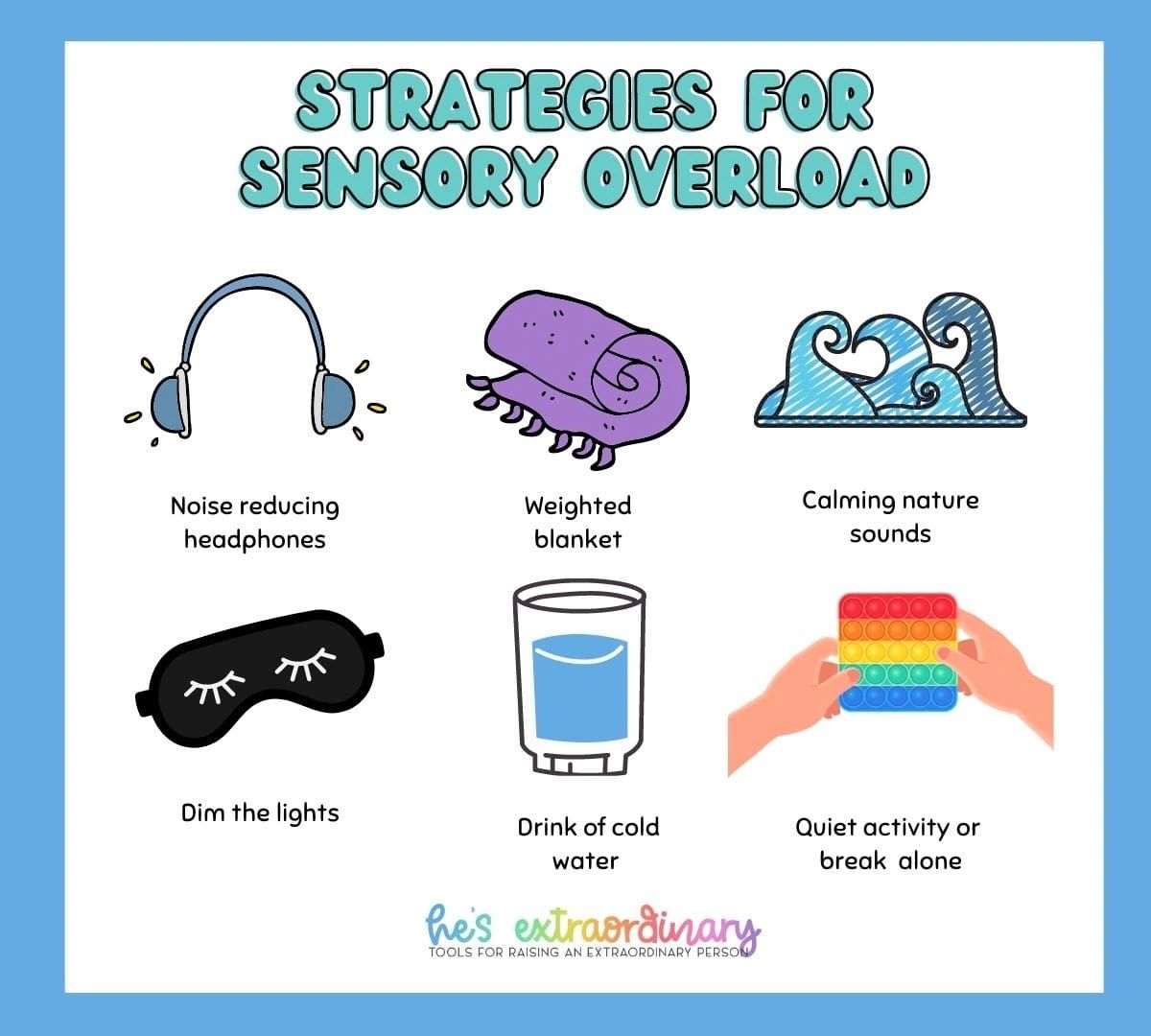
Dealing with sensory overload isn’t easy. A good first step is often minimising sensory input—using Loop earplugs, choosing comfortable clothing, or adjusting your environment in small ways. Sometimes bigger changes are needed, like switching jobs, but the goal is to make your environment work for you, not the other way around.
Many autistic people notice that noise can feel overwhelming or extra intense. It’s uncomfortable, it’s frustrating, and there are ways to manage it so it doesn’t take over your day.
A full autism assessment can feel like a big investment—and it is. That’s why starting with pre-screening tools can be a smarter first step. You complete short questionnaires at home, we review them together in a one-hour consultation, and you get clear insight into whether a full assessment is likely worth it.
Some people even find this session gives them enough clarity without needing the full assessment. It’s not a formal diagnosis, but it’s a structured, professional way to explore your next steps with confidence.