Moral Psychological injury and ADHD
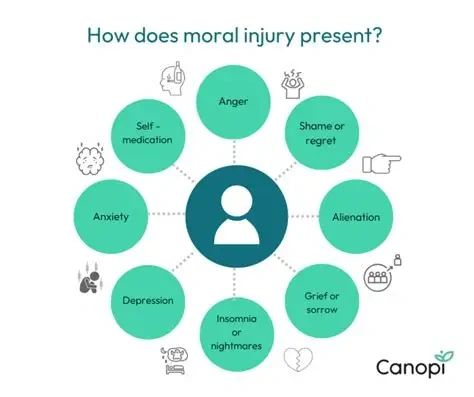
A moral psychological injury, in really plain terms, is psychological distress due to an event you perceive as highly immoral.
The formal definition is: moral injury is psychological harm incurred from committing, witnessing, or being subject to actions that violate one’s moral code. It encompasses the social, psychological, and spiritual harm that arises from a betrayal of one’s core values, such as justice and fairness.
Additionally, it refers to the distressing aftermath of exposure to events that conflict with an individual's moral beliefs. Essentially, moral injury represents a deep inner conflict and a wound to a person’s moral framework and sense of right and wrong (Harvard T.H. Chan School of Public Health, 2022).
As psychologists, we mostly see this when clients come to us because of workplace-related events.
Examples include:
- Being fired from a job on unfair grounds
- Someone else receiving your hard-earned promotion
- Being sexually harassed at work while your workplace fails to take action
- Witnessing unethical behavior at work, like a colleague being treated unfairly
- Being pressured to act against your personal or professional ethics
- Observing corruption or dishonesty in leadership
- Even just watching too much news about injustice or human rights violations
It's not quite trauma, and it’s not quite PTSD (I mean, most of the time), but it does cause psychological discomfort—and very commonly, a negative belief is curated, such as “the world is bad” or “people are bad.”
The first thing I like to do with clients experiencing this is provide education and an explanation—this alone can provide a lot of relief and a feeling of being understood.
Suddenly, there’s no longer something “totally wrong” with them—they understand that having your moral code violated is a common experience, and they start to feel more human.
Then we work on identifying their values and beliefs, figuring out which value or belief has been so wrongly violated. Again, this helps with understanding.
Next, we often create a tolerance window for acceptance:
- Acceptance that the world is not perfect, and that humans act in immoral ways—and always will (not all humans, of course, but many)
- Acceptance that we all have different moral compasses; we aren’t equal in what we consider right or wrong
What I’ve found through my time in practice is that those with ADHD seem more likely to experience this phenomenon. Why? Because they often have a high sense of justice and usually hold much stronger and less conformative views—hence, these views are more often challenged by others.
Also, ADHDer’s more often gravitate toward black-and-white thinking—things are either one way or another, with no in-between—making any moral injury feel “all bad.”
So, for those with ADHD, moral psychological injury may require a more lengthy intervention, last longer, and sting harder. They may feel this has happened many times throughout their life, creating a wound that keeps getting punctured.
If you’re experiencing a moral psychological injury, finding the right psychologist is one step forward.