Working with Alexithymia
Jump to a section
Alexithymia
Alexithymia is a personality trait characterised by difficulty in identifying, processing, and expressing emotions, affecting approximately 10–13% of the population, with a higher prevalence in men.
Derived from Greek meaning "lack of words for emotions," alexithymia refers to a condition where individuals struggle to recognise and articulate their feelings. This can lead to challenges in understanding both their own emotions and those of others, often resulting in strained relationships.
People with alexithymia may appear distant or humourless, and they often have a limited emotional vocabulary, making it difficult for them to communicate their feelings effectively.
It's most commonly associated with:
- Autism Spectrum Disorder (ASD)
- PTSD / complex trauma
- Somatic Symptom Disorder
- Depression and anxiety disorders
- Eating disorders
So – how do people with alexithymia go in talk therapy?
A lot of clients I've seen who have this get really annoyed with psychologists who just won't stop asking them how they feel.
Understandable, right? Because they don't have the answer.
So – how do I work with people who experience this?
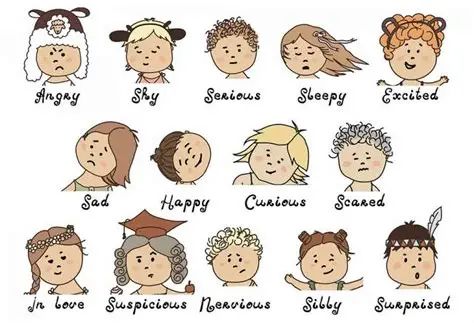
Fairly simply — I ask them if they'd like to explore their feelings or not. If they say yes, then sure, we explore — perhaps by using the emotion wheel, or by simplifying emotions down to good, bad, comfortable, or uncomfortable.
If they don't — then we go back to our therapy goals, which usually involve some sort of learning, behaviour change, or figuring out how to make their life better.
Personally, I love this work — because for me it feels really proactive, and there's actually a lot of action involved. But that's just a personal preference.
I also like to educate clients on delayed emotional processing — because sometimes it's not that they don't know what they feel, it's that they just require more time to understand it. And that's okay.
We work together to figure out what's right for the client.
But I do wish more psychologists knew about this condition — because they might pivot in their approach faster, and stop constantly asking "how do you feel?"